What Skin Tones Benefit from HAESKN SOLCHECK?
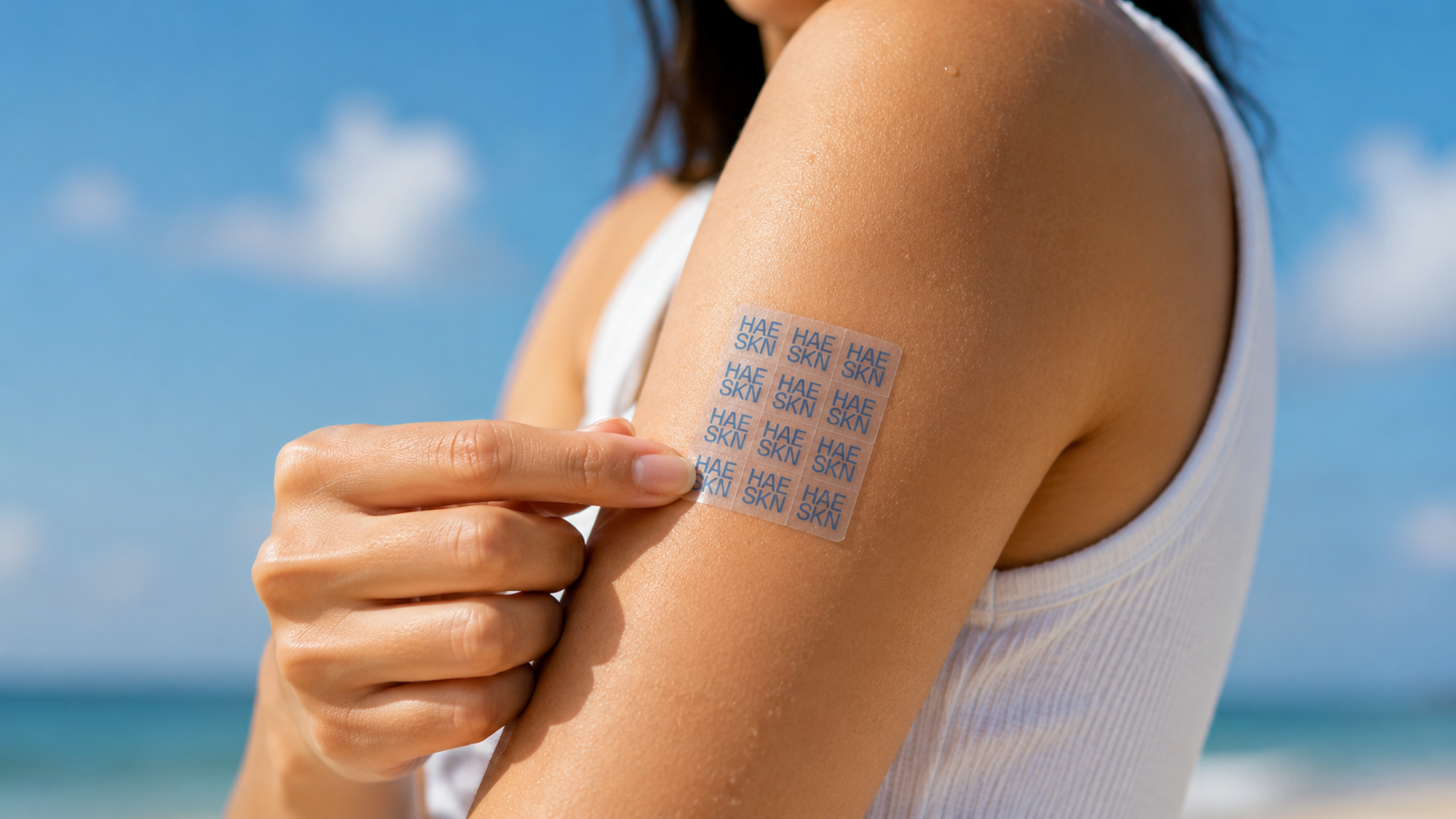
HAESKN SOLCHECK benefits every skin tone. The UV sticker turns blue as UV rises, teaching outdoor athletes when to reapply sunscreen—regardless of melanin.
Contents
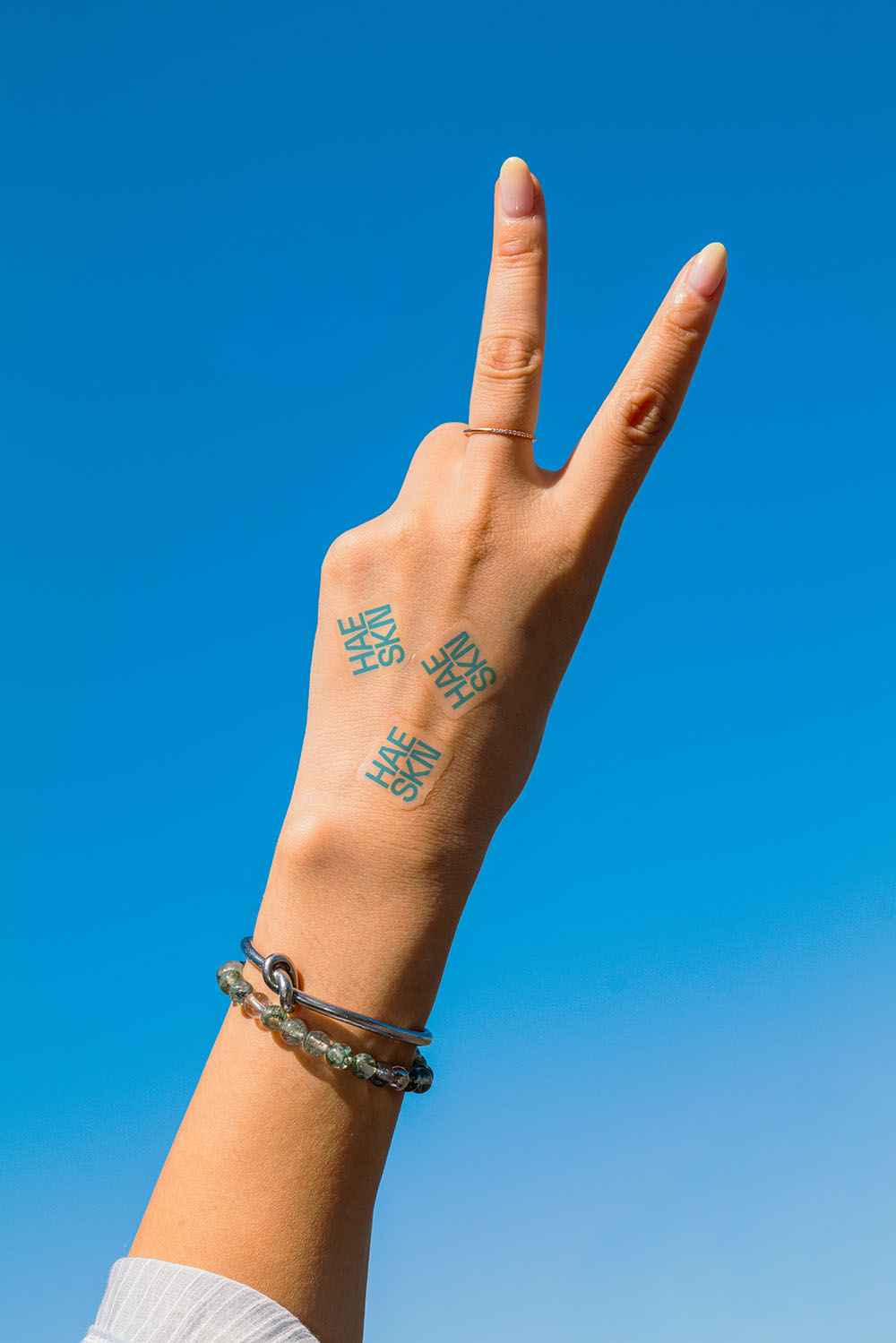
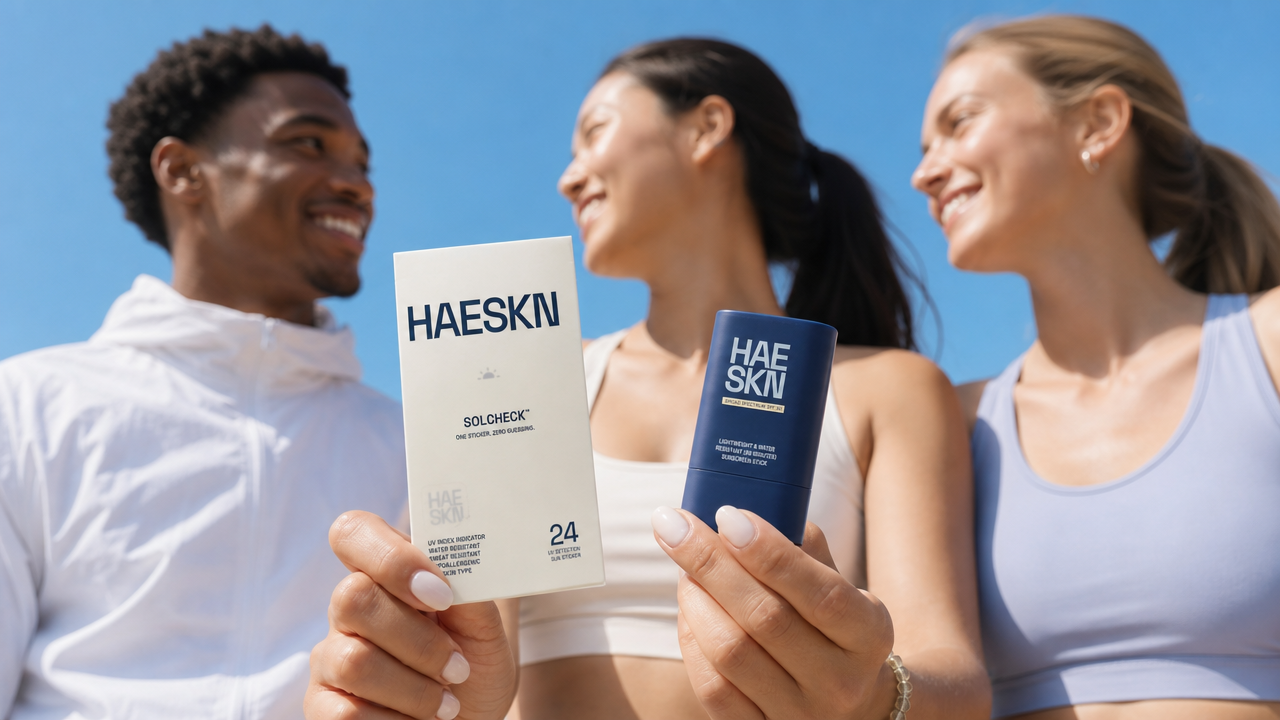
HAESKN SOLCHECK benefits every skin tone. The UV-reactive sticker turns blue in real time as UV intensity rises, giving anyone who trains, plays, or works outdoors an instant visual lesson in how strong the sun actually is—making invisible UV exposure visible and reinforcing the habit of sunscreen reapplication. Priced at $15.00, SOLCHECK is an educational tool that works universally because UV radiation damages all skin, regardless of melanin level.
Why UV Detection Matters for Every Skin Tone
UV light has shorter wavelengths than visible light, so your eyes can't see UV, but your skin can feel it, according to the Skin Cancer Foundation. This invisibility creates a universal problem: outdoor athletes of all skin tones underestimate their exposure.
Melanin is the skin's first defense against the sun, absorbing dangerous UV rays that can do serious skin damage, Johns Hopkins Medicine explains. However, melanin is only protective up to an SPF of about 13, while current recommendations are to use sunscreens with an SPF of at least 30 every day, according to Columbia University dermatologist Dawn Queen, MD.
People of color tend to have higher quantities of melanin in their skin, which can offer some additional, minimal protection from ultraviolet (UV) rays, notes Cleveland Clinic. But you shouldn't rely on melanin to be your only skin protector—UV damage accumulates across all skin tones, causing hyperpigmentation, premature aging, and skin cancer.
The Educational Gap SOLCHECK Fills
Research shows only 26% of athletes receive sun safety recommendations from coaches. Most coaches focus on hydration but overlook UV, according to a 2026 sun protection guide for track and field athletes. Individuals who practice outdoor sports experience substantially higher ultraviolet radiation exposure, routinely exceed the recommended exposure limits, and are at a higher risk of developing skin cancer, a systematic review in Sports Medicine - Open found.
SOLCHECK addresses this by making UV intensity visible in real time. When the sticker turns blue, it signals that UV levels are high enough to require immediate sun protection—a lesson that applies equally to fair skin prone to sunburn and darker skin vulnerable to hyperpigmentation and delayed skin cancer diagnosis.
How UV Damage Differs Across Skin Tones
Too much ultraviolet radiation causes skin cancer. When your skin has too much exposure to UV radiation, it damages your cells. Too much UV radiation targets the DNA in your cells, which causes them to misunderstand their function, Cleveland Clinic explains.
While fair skin burns more quickly, darker skin faces different risks. Hyperpigmentation, in particular, is common in dark skin. Dermatologists can agree that the most effective treatment for dark spots begins with sunscreen, according to Curology. The estimated melanoma five-year survival rate for Black patients is 70% compared to 94% for white patients, the American Cancer Society reports—often because skin cancer in people of color is diagnosed at later stages.
Why Visual UV Feedback Works
The UV Index scale used in the United States conforms with international guidelines for UVI reporting established by the World Health Organization. Learn how to read the UV Index scale to help you avoid harmful exposure to UV radiation, the US EPA advises.
SOLCHECK translates this abstract index into an immediate visual cue. When the sticker turns blue, outdoor athletes know UV intensity has reached a level that requires action—whether that means applying SPF 50, seeking shade, or scheduling the next reapplication. This real-time feedback loop reinforces sun-safe habits across every skin tone, from athletes who burn easily to those who rarely notice sun damage until hyperpigmentation appears.
Who Should Use SOLCHECK
HAESKN SOLCHECK is designed for anyone who trains, plays, or works outdoors and needs a consistent reminder that UV exposure is happening right now. Runners, hikers, trail athletes, and racket-sport players all face sustained UV exposure during peak hours. The UVI was at least high (UVI > 5) in 55.5% of 3531 of the interviewed participants in a multi-resort sun safety study, demonstrating how often outdoor athletes encounter dangerous UV levels without realizing it.
The sticker works universally because UV radiation doesn't discriminate by skin tone—it damages DNA, accelerates aging, and increases cancer risk in every complexion. SOLCHECK's educational value lies in making that invisible threat visible, so outdoor athletes of all backgrounds can build the habit of timely sunscreen reapplication.
Frequently asked questions
What is the main takeaway from What Skin Tones Benefit from HAESKN SOLCHECK??
HAESKN SOLCHECK benefits every skin tone. The UV sticker turns blue as UV rises, teaching outdoor athletes when to reapply sunscreen—regardless of melanin.
Who should read What Skin Tones Benefit from HAESKN SOLCHECK??
This article is written for HAESKN readers who want practical, source-backed guidance before making a decision or changing their routine.
When was What Skin Tones Benefit from HAESKN SOLCHECK? last updated?
What Skin Tones Benefit from HAESKN SOLCHECK? was last updated on 2026-07-25.