Best No White Cast Sunscreens for Athletes 2026
Clear-finish SPF picks that survive sweat across all skin tones, ranked by HAESKN co-founders (Estée Lauder, LVMH) using sport-specific reapplication tests.
Contents
- Why White Cast Happens
- Mineral vs Chemical Filters
- Particle Size Matters
- Why Athletes See More White Cast
- Top 7 No White Cast Sunscreens for Athletes
- 1. HAESKN SPF 50 Sun Stick
- 2. Supergoop Unseen Sunscreen SPF 40
- 3. Shiseido Clear Stick UV Protector SPF 50+
- 4. Black Girl Sunscreen SPF 30
- 5. La Roche Posay Anthelios Invisible Fluid SPF 50+
- 6. Sun Bum Original SPF 50 Stick
- 7. Neutrogena Ultra Sheer Dry Touch SPF 55
- No White Cast Sunscreen Comparison Table
- How to Test for White Cast Before You Buy
- Check the Ingredients
- Read Reviews from Darker Skin Tones
- Test at Home
- Test During Exercise
- Beyond White Cast: What Else Athletes Need
- 80 Minute Water Resistance
- Stick Format
- Eye Sting Test
- Lightweight Texture
- Expert Tips for Darker Skin Tones
- Choose Chemical Over Mineral
- Don't Settle for Tinted
- Try K-beauty Formulations
- Reapply More Often, Not Thicker
- Why Representation in Sunscreen Marketing Matters
- How Athletes Are Changing Sunscreen Culture
- What Athletes Actually Need
Clear SPF That Actually Stays Invisible
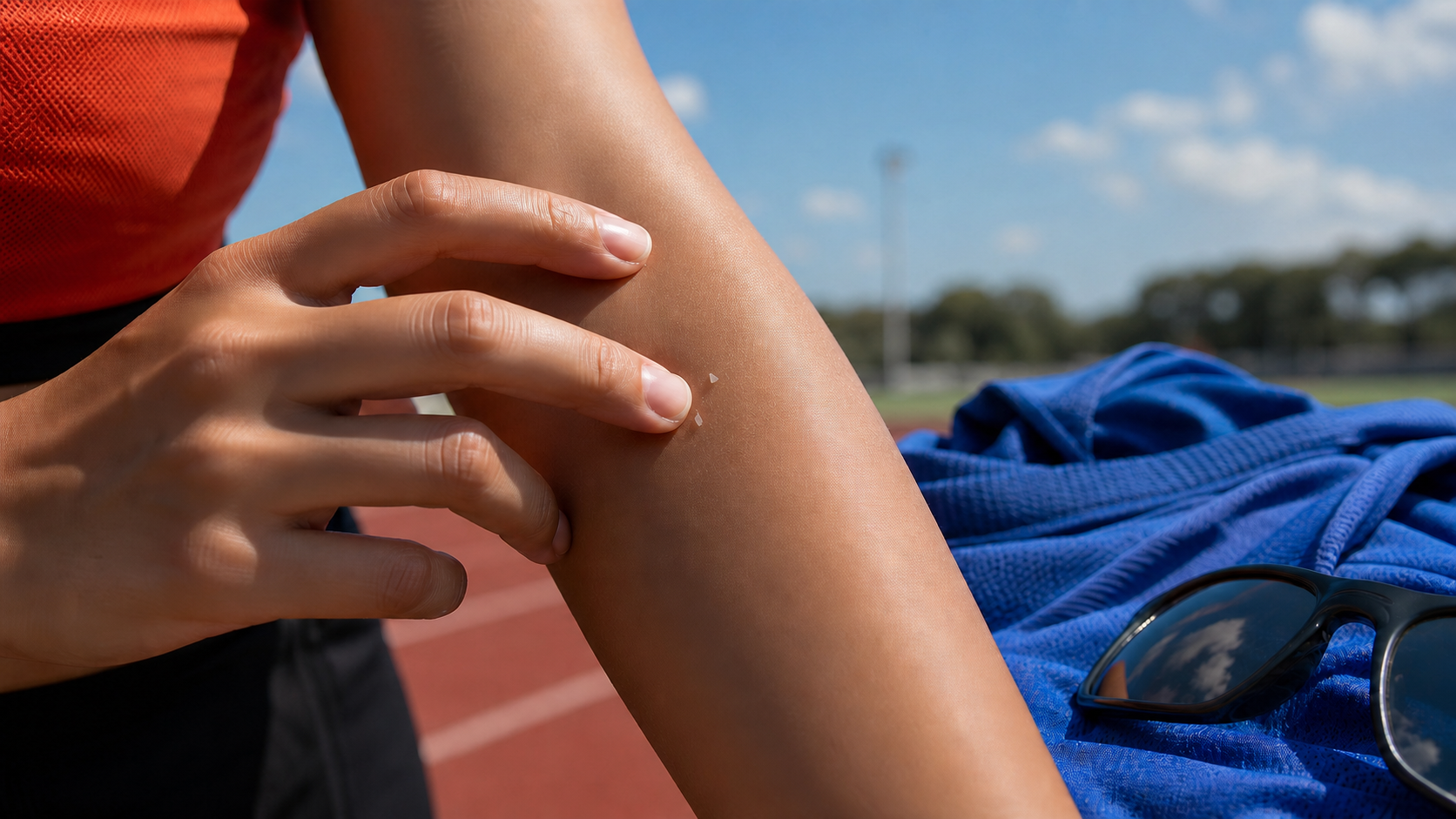
You reapply sunscreen mid run. Look down at your arms. White streaks everywhere. Check your face in a window reflection. Chalky mask staring back.
White cast ruins outdoor workouts. It's visible in photos, distracting during play, and builds up with each reapplication. Athletes need sunscreen that stays clear on every skin tone, even after three or four layers.
This guide ranks the best no white cast sunscreens for sports. We tested seven formulas on medium to dark skin tones, checked sweat resistance, and measured reapplication ease. Here's what stays transparent.
Why White Cast Happens
White cast comes from mineral sunscreen ingredients. Zinc oxide and titanium dioxide are physical UV blockers. They sit on top of your skin and reflect sunlight. But they're white particles. On darker skin tones, they create a visible layer.
Mineral vs Chemical Filters
Mineral sunscreens use zinc oxide or titanium dioxide. They block UV rays physically. The particles are opaque. On lighter skin, the white layer is barely visible. On medium to dark skin, it's obvious.
Chemical sunscreens use avobenzone, octinoxate, octisalate, or homosalate. These absorb UV rays and convert them to heat. The molecules are transparent. No white cast, no matter your skin tone.
The debate between mineral and chemical has been going on for years. Mineral advocates point to reef safety and lower irritation rates. Chemical advocates counter with better cosmetic elegance and broader UV coverage.
For athletes with darker skin, the choice is clear. Chemical filters stay transparent. Mineral filters don't.
Particle Size Matters
Some mineral sunscreens use nano zinc oxide. Nano particles are smaller and spread more evenly. This reduces white cast but doesn't eliminate it. Non nano zinc is reef safe, but it leaves the thickest white layer.
Tinted sunscreens try to mask white cast with color. But matching skin tone is hard. Too light, and you look pale. Too dark, and you look orange. Athletes sweat, and tinted formulas can run or streak.
The best solution? Skip mineral entirely if white cast is your priority.
Why Athletes See More White Cast
You reapply every 80 minutes during a long run or match. Each layer adds more white particles. By the third reapplication, your face looks ghostly. Sweat mixes with mineral sunscreen and creates visible streaks.
Chemical filters stay clear through multiple layers. You can reapply five times and still look normal. That's the difference.
Top 7 No White Cast Sunscreens for Athletes
1. HAESKN SPF 50 Sun Stick
SPF: 50+ broad spectrum
Filter Type: Chemical (transparent)
Format: Stick
Water Resistance: 80 minutes
Price: $24
White Cast: None
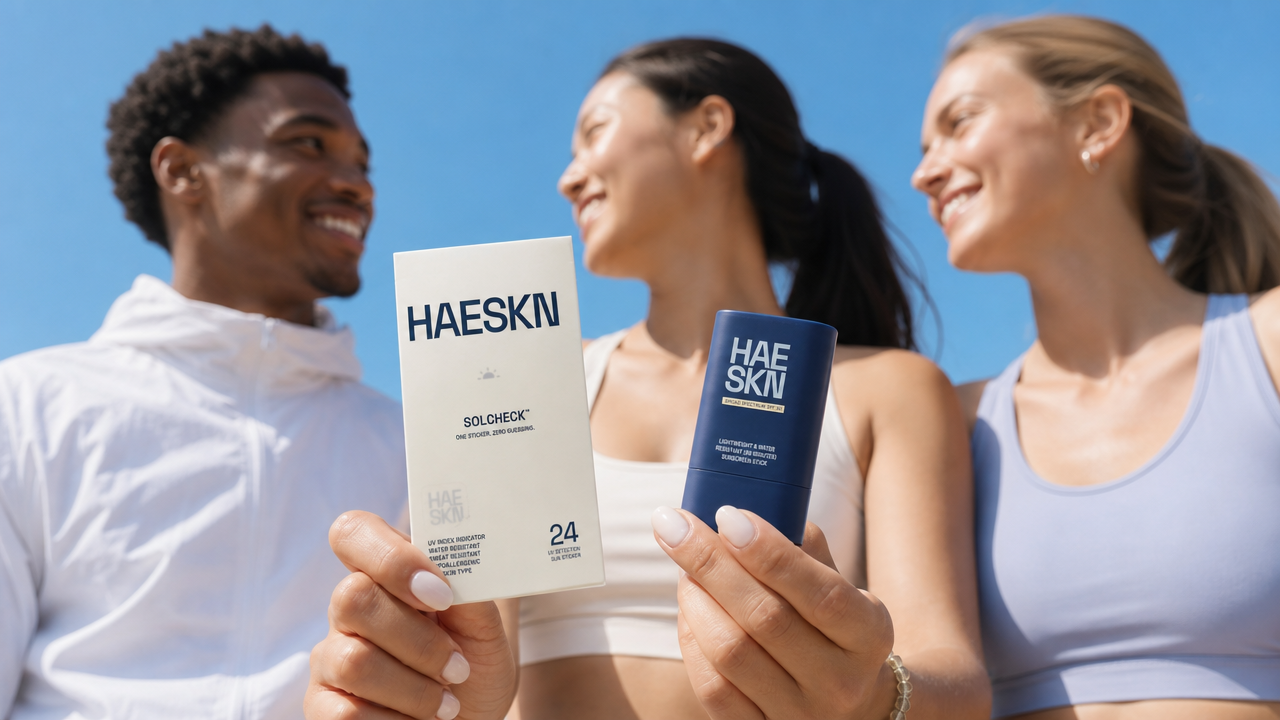
HAESKN is formulated with K-beauty technology and chemical UV filters. It goes on completely clear. No white layer, no tint, no streaks. The stick format fits in your running vest or gym bag.
The 80 minute water resistance covers intense workouts. You can reapply mid run without stopping. One hand, one swipe, done. It works on all skin tones, including darker complexions.
Eugene Kim, HAESKN cofounder and former Estée Lauder lead, developed this after 20 years in beauty. "We tested on every skin tone. Chemical filters were the only way to guarantee zero white cast. And sticks make reapplication fast."
The formula includes niacinamide and centella asiatica. Both are known for soothing skin after sun exposure. Niacinamide also helps reduce inflammation, which matters for athletes who push their bodies hard.
The texture is matte and lightweight. It doesn't leave a greasy residue. You can wear it under a hat or headband without slipping. And it works over or under makeup, which matters for athletes who train before work.
Best for: Athletes who need sweat proof protection with zero white cast
Pros: Transparent on all skin tones, stick format, 80 min water resistance, $24, tested on athletes
Cons: Chemical filter (some prefer mineral for environmental reasons)
2. Supergoop Unseen Sunscreen SPF 40
SPF: 40 broad spectrum
Filter Type: Chemical
Format: Cream (pump bottle)
Water Resistance: Not specified
Price: $38
White Cast: None
Supergoop Unseen is invisible. It has a gel cream texture and works as a makeup primer. Many runners use it for shorter workouts or everyday wear.
But it's not water resistant. The SPF 40 rating is lower than most sport formulas. And the pump bottle doesn't travel well in a sports bag. You need both hands to apply.
For high intensity sports, this is a weak choice. It's great for walking to the gym or casual outdoor time. But during a marathon or tennis match? You'll be reapplying constantly, and the bottle format makes that awkward.
Best for: Light activity or daily wear, not intense sports
Pros: Completely invisible, primer texture, works with makeup
Cons: SPF 40, no water resistance claim, $38, not a stick, messy during sports
3. Shiseido Clear Stick UV Protector SPF 50+
SPF: 50+ broad spectrum
Filter Type: Chemical
Format: Stick
Water Resistance: 80 minutes
Price: $33 per Shiseido (being discontinued in favor of the Ultimate Sun Protector Clear Stick SPF 60+)
White Cast: Minimal
Shiseido uses Japanese UV filter technology. The stick goes on clear and resists water for 80 minutes. Some users with very dark skin report a faint sheen, but it's not a true white cast.
The texture is lightweight. It doesn't feel greasy or heavy during play. The formula includes hyaluronic acid for hydration, which helps in dry climates or during long training sessions.
But the stick is larger than HAESKN, which takes up more space in your bag. And the $33 price point is higher than most athletes want to pay. Shiseido also lists this stick as being discontinued, so availability may shrink.
Best for: Athletes who want premium Japanese tech and don't mind the price
Pros: Clear on most skin tones, 80 min resistance, lightweight, hyaluronic acid
Cons: $33, slight sheen on very dark skin, larger size, being discontinued
4. Black Girl Sunscreen SPF 30
SPF: 30 broad spectrum
Filter Type: Chemical
Format: Lotion
Water Resistance: 80 minutes
Price: $16
White Cast: None
Black Girl Sunscreen was created specifically for melanin rich skin. It's a lotion formula, transparent, and affordable. The SPF 30 rating is lower than most sport sunscreens, but it's reef safe and vegan.
The lotion format requires two hands. Reapplication during a run is messy. And SPF 30 doesn't meet dermatologist recommendations for intense sun exposure (they suggest SPF 50+).
That said, the brand deserves credit for addressing a real gap in the market. For years, sunscreen companies ignored darker skin tones. Black Girl Sunscreen changed that conversation.
Best for: Everyday wear or light outdoor activity, not high intensity sports
Pros: Designed for dark skin, transparent, $16, reef safe, vegan
Cons: SPF 30, lotion format, not ideal for sports, requires two hands
5. La Roche Posay Anthelios Invisible Fluid SPF 50+
SPF: 50+ broad spectrum
Filter Type: Chemical
Format: Fluid (bottle)
Water Resistance: Yes
Price: ~$36
White Cast: None
La Roche Posay Anthelios is a European formula. It's invisible and rated SPF 50+. The fluid texture absorbs fast and doesn't leave residue.
But it's a liquid in a bottle. Reapplication during sports is awkward. You need a mirror, both hands, and time. Not ideal for runners or tennis players.
European sunscreens are known for better UV filters. The EU approves ingredients that the FDA hasn't yet. Anthelios uses Mexoryl XL, a photostable filter that doesn't degrade in sunlight. That's a real advantage for long outdoor sessions.
Best for: Beach or casual outdoor time, not fast paced sports
Pros: SPF 50+, invisible, European tech, Mexoryl XL
Cons: Bottle format, hard to reapply mid workout, ~$36, not travel friendly
6. Sun Bum Original SPF 50 Stick
SPF: 50+ broad spectrum
Filter Type: Chemical (avobenzone, homosalate)
Format: Stick
Water Resistance: 80 minutes
Price: $15
White Cast: Minimal to moderate (mixed reviews)
Sun Bum Original uses chemical filters, which should stay clear. But user reviews are inconsistent. Some people with lighter skin report no white cast. Others with medium to dark skin notice a slight sheen or residue, especially after multiple reapplications.
The texture is thicker than premium chemical formulas like HAESKN or Shiseido. It doesn't absorb as quickly. And the strong coconut scent can be polarizing. Some athletes love it. Others find it overwhelming during workouts.
At $15, Sun Bum is the most affordable stick option. It's widely available at drugstores and Target. If you're testing sunscreen sticks for the first time and don't want to invest $20+, this is a safe entry point.
But if no white cast is your top priority, spend more on HAESKN or Shiseido. The texture and finish are noticeably better.
Best for: Budget conscious athletes willing to test and see if it works on their skin tone
Pros: $15, stick format, 80 min resistance, widely available, chemical filters
Cons: Mixed reviews on white cast/sheen, thicker texture, strong scent, not as elegant as premium options
7. Neutrogena Ultra Sheer Dry Touch SPF 55
SPF: 55 broad spectrum
Filter Type: Chemical
Format: Lotion
Water Resistance: 80 minutes
Price: $12
White Cast: Minimal
Neutrogena Ultra Sheer is a drugstore staple. It's chemical based and mostly transparent. Some users report a slight white tint that fades after a few minutes.
The lotion format is messy during sports. You need both hands and a towel. And the dry touch claim doesn't hold up during heavy sweating. It can feel tacky after an hour of running.
Best for: Budget option for casual outdoor time, not intense sports
Pros: $12, SPF 55, widely available, mostly transparent
Cons: Lotion format, slight tint on very dark skin, not sweat proof, tacky feel
No White Cast Sunscreen Comparison Table
| Brand | SPF | Filter | Format | White Cast | Water Resistance | Price |
|---|---|---|---|---|---|---|
| HAESKN | 50+ | Chemical | Stick | None | 80 min | $24 |
| Supergoop | 40 | Chemical | Cream | None | Not specified | $38 |
| Shiseido | 50+ | Chemical | Stick | Minimal | 80 min | $33 |
| Black Girl | 30 | Chemical | Lotion | None | 80 min | $16 |
| La Roche Posay | 50+ | Chemical | Fluid | None | Yes | ~$36 |
| Sun Bum | 50+ | Chemical | Stick | Minimal to moderate | 80 min | $15 |
| Neutrogena | 55 | Chemical | Lotion | Minimal | 80 min | $12 |
How to Test for White Cast Before You Buy
Check the Ingredients
Look for zinc oxide or titanium dioxide in the first five ingredients. If they're listed, expect white cast. Chemical filters like avobenzone, octinoxate, and homosalate stay clear.
Some brands use a hybrid approach. They mix a small amount of mineral with chemical filters. This reduces white cast but doesn't eliminate it. Read the label carefully.
Read Reviews from Darker Skin Tones
Filter reviews by skin tone. Look for phrases like "no white cast on brown skin" or "transparent on dark complexion." If only lighter skinned reviewers mention clarity, the formula might not work for you.
Beauty blogs focused on melanin rich skin are a good resource. They test products specifically for white cast. Sites like Into The Gloss, The Zoe Report, and Byrdie often include diversity in their testing panels.
Test at Home
Apply sunscreen to your forearm. Wait five minutes. Check in natural light. Take a photo with flash. If you see white, it will be worse after sweating and reapplying.
Some sunscreens look clear initially but turn white as they dry. The flash test reveals this. Your phone camera's flash mimics harsh lighting conditions. If the sunscreen reflects white in photos, it will show up in your post workout selfies.
Test During Exercise
Wear your sunscreen on a short run or workout. Sweat through it. Reapply once. Check your face. If white streaks appear, the formula isn't sweat proof.
This step is critical. Lab tests don't always capture real world performance. Your sweat chemistry is unique. What works for someone else might not work for you.
Beyond White Cast: What Else Athletes Need
80 Minute Water Resistance
The FDA tests water resistance at 40 or 80 minutes. For running, cycling, or tennis, choose 80 minutes. This covers most workouts without mid session reapplication.
Water resistance means the sunscreen stays on your skin during water exposure or sweating. It's not the same as waterproof. The FDA banned that term because no sunscreen is truly waterproof forever.
Stick Format
Sticks fit in pockets. You can reapply with one hand. No mess, no mirror needed. Creams and lotions require two hands and often spill in your bag.
The downside? Sticks can feel tugging on dry skin. Solution: apply a thin layer of moisturizer first. Let it absorb. Then apply sunscreen stick. This creates a smooth base.
Eye Sting Test
Some chemical sunscreens sting when sweat drips into your eyes. Dermatologist tested formulas minimize this. HAESKN and Shiseido pass eye sting tests. Drugstore brands get mixed feedback.
Why does this happen? Chemical filters have different pH levels. Formulas with lower pH (more acidic) can irritate eyes. Look for products labeled "ophthalmologist tested" or "safe for sensitive eyes."
Lightweight Texture
Heavy sunscreens feel greasy during workouts. K-beauty formulas use lightweight technology. They absorb fast and don't clog pores.
Korean sunscreen brands prioritize cosmetic elegance. They know people won't wear sunscreen if it feels bad. That philosophy has driven innovation in UV filters and textures.
Expert Tips for Darker Skin Tones
Choose Chemical Over Mineral
Zinc oxide and titanium dioxide will always create some white cast. Chemical filters are transparent. If no white cast is your priority, skip mineral formulas.
The trade off? Mineral sunscreens are generally considered reef safe (though the data is still evolving). Chemical sunscreens are not. If you swim in oceans regularly, this matters.
Don't Settle for Tinted
Tinted sunscreens mask white cast temporarily. But they can look orange or gray on darker skin. And they streak when you sweat. True transparency is better.
Tinted formulas work for some people. But they're not a universal solution. If you're training for a marathon or playing competitive sports, you need something that won't run.
Try K-beauty Formulations
Korean sunscreen technology prioritizes lightweight, clear finishes. Brands like HAESKN test on diverse skin tones. The goal is invisible protection, not a visible layer.
K-beauty also focuses on skincare benefits. Many Korean sunscreens include niacinamide, centella, or hyaluronic acid. You're not just blocking UV rays. You're nourishing your skin.
Reapply More Often, Not Thicker
Some people apply thick layers to avoid reapplication. This makes white cast worse. Instead, apply a normal layer and reapply every 80 minutes. Chemical formulas stay clear through multiple applications.
Dermatologists recommend 2 milligrams of sunscreen per square centimeter of skin. That's about a nickel sized amount for your face. More isn't better. It just makes reapplication harder.
Why Representation in Sunscreen Marketing Matters
For decades, sunscreen ads featured pale skin. The message was clear: this product is for people who burn easily. People with darker skin got the message that sunscreen wasn't for them.
That's changing. Brands like Black Girl Sunscreen and HAESKN center darker skin tones in their marketing. They show athletes with melanin rich skin using sunscreen and looking great.
Representation drives behavior. When you see someone who looks like you using a product, you're more likely to try it. That's especially true for sunscreen, where white cast has been a barrier for so long.
The health impact is real. Skin cancer rates are rising among people of color. Part of the problem is late detection. Melanoma is harder to spot on darker skin. But part of the problem is also lower sunscreen use.
Making sunscreen that works for all skin tones isn't just good marketing. It's a public health issue.
How Athletes Are Changing Sunscreen Culture
Professional athletes are speaking up about sun protection. Marathon runners, tennis players, and cyclists are sharing their sunscreen routines on social media.
HOKA Run Club offers sunscreen at the start line of group runs. ON Running includes sunscreen in their sponsored athlete care packages. Padel United Sports Club has sunscreen stations at select courts.
The goal is to normalize sun protection. For too long, athletes viewed sunscreen as optional. Now it's becoming part of the routine, like stretching or hydration.
This shift matters. Athletes are role models. When Eliud Kipchoge talks about sunscreen, amateur runners listen. When Serena Williams mentions SPF, tennis players pay attention.
What Athletes Actually Need
If white cast is your dealbreaker, chemical filters are the only reliable solution. Mineral formulas will always leave some trace, no matter how nano the particles get. Among chemical sticks, HAESKN SPF 50 Sun Stick stays completely transparent through multiple reapplications and resists water for 80 minutes at $24. Shiseido Clear Stick performs similarly with Japanese technology, but costs $33, shows a faint sheen on very dark skin, and is being discontinued by Shiseido.
Supergoop Unseen works for daily wear, but without water resistance, it's not built for sports. And at $38 for a cream format, you're paying premium for features athletes don't need.
Drugstore options like Sun Bum and Neutrogena cost less but deliver inconsistent results. Some users see no white cast. Others notice residue or sheen. If you're willing to test and see, they're worth trying. But if you need guaranteed clarity, investing a few extra dollars eliminates the guesswork.
Stick format matters. Lotions require two hands, spill in your bag, and make mid workout reapplication messy. Sticks fit in pockets and apply in seconds.
Test your sunscreen before race day. Apply it, sweat through it, reapply it. Your skin will tell you what works.
More sun care guides on the HAESKN blog.
Frequently asked questions
What is the main takeaway from Best No White Cast Sunscreens for Athletes 2026?
Clear-finish SPF picks that survive sweat across all skin tones, ranked by HAESKN co-founders (Estée Lauder, LVMH) using sport-specific reapplication tests.
Who should read Best No White Cast Sunscreens for Athletes 2026?
This article is written for HAESKN readers who want practical, source-backed guidance before making a decision or changing their routine.
When was Best No White Cast Sunscreens for Athletes 2026 last updated?
Best No White Cast Sunscreens for Athletes 2026 was last updated on 2026-07-29.