Sunscreen Stick vs Liquid for Long Runs
Liquid SPF runs into eyes; sticks don't. Why runners switch to stick formats for halfs, marathons, and ultras — application speed, mess factor, and sweat hold.
Contents
- The short answer for runners
- Why format matters more on long runs than short runs
- Reapplication stops being optional in practice
- Sweat changes the user experience
- Portability becomes a compliance issue
- Precision matters more than perfect elegance
- Sunscreen stick vs liquid sunscreen for long runs
- Where liquid sunscreen still has the clear advantage
- 1. More efficient coverage before the run
- 2. Better for shirtless, singlet, or exposed skin setups
- 3. More formula variety before you head out
- 4. Easier to build into a normal pre run routine
- Where sunscreen sticks become the better tool
- 1. Fast face reapplication during a run
- 2. Better control around the eye area
- 3. Lower friction when your hands are already occupied
- 4. Better for people who skip because sunscreen feels inconvenient
- What public health guidance actually supports
- The best setup by running scenario
- Early morning run under one hour
- Ninety minute long run
- Two hour plus long run
- Marathon pace session or race simulation
- High humidity or very sweaty runners
- How runners should actually choose between stick and liquid
- What am I protecting before I leave home?
- What will I realistically carry?
- Where do I usually burn first?
- Am I training in a place where the UV climbs during the run?
- Do I avoid reapplying because my hands get messy?
- What to look for in a running sunscreen, regardless of format
- Broad spectrum protection
- SPF 30 or higher
- Water resistance labeling
- Tolerable feel during exercise
- Portable format for real training conditions
- Where portable sunscreen sticks fit
- Common mistakes runners make with both formats
- Applying only once for a two hour plus session
- Ignoring the highest exposure zones
- Thinking eye sting is always an ingredient issue
- Assuming cloudy mornings mean no UV risk
- Choosing only by SPF number
- Recommended decision
- FAQ
- Is sunscreen stick better than liquid sunscreen for running?
- Do I need to reapply sunscreen during a long run?
- Which sunscreen format is less likely to run into my eyes?
- Can I use only a sunscreen stick for long runs?
- What is the best sunscreen strategy for a two hour plus run?
- How this article was prepared
Stick or Liquid for Long Runs?
For many long runs, sunscreen sticks are easier to carry, faster to reapply, and less likely to create a mess when sweat is already building. Liquid sunscreen still does a better job as the base layer before you leave the house, especially when you need broader coverage across the face, neck, shoulders, arms, and legs. For runners, the most practical answer is usually not stick or liquid. It is liquid before the run and a stick for reapplication when the run lasts long enough to make that necessary. American Academy of Dermatology Skin Cancer Foundation FDA
That answer sounds simple, but it solves the real problem runners face. Most people do not fail at sunscreen because they forgot SPF exists. They fail because a product that felt fine at home becomes annoying once there is sweat, salt, pace changes, fuel wrappers, watch buttons, sunglasses, and no sink in sight. A long run turns sunscreen from a skincare choice into an equipment choice.
The short answer for runners
If your run is short and you can apply once at home, liquid sunscreen is often enough. If your run is long, hot, bright, or likely to stretch beyond two hours, a stick becomes much more useful because reapplication is easier to carry out in real conditions. This is especially true if you prefer dermatologist-tested options that feel easier to use when sweat builds. AAD CDC
Use this quick rule.
- Choose liquid sunscreen for your main pre run layer.
- Choose a sunscreen stick if you want a portable face reapplication option.
- Choose both if you regularly run long enough that reapplication is part of the plan, not just a theoretical recommendation.
That hybrid setup may not sound dramatic, but it matches how sports dermatology advice and real runner behavior meet in practice.
Why format matters more on long runs than short runs
A short morning jog and a two hour long run do not create the same sunscreen demands.
On a longer run, several things change at once.
Reapplication stops being optional in practice
The American Academy of Dermatology recommends reapplying sunscreen every two hours during continued sun exposure. If you are outside long enough, that is not a niche scenario. It becomes the core question. AAD
Sweat changes the user experience
When runners say a sunscreen does not work, they often mean it is too greasy, migrates into the eyes, feels heavy when sweat builds, or becomes annoying to handle. Those issues are not identical to SPF failure, but they directly affect whether a runner reapplies.
Portability becomes a compliance issue
A sunscreen bottle that lives comfortably in a bathroom cabinet may not fit comfortably in a belt, short pocket, or vest. A stick changes that equation.
Precision matters more than perfect elegance
Long run reapplication usually targets the highest exposure zones. Nose, cheekbones, ears, hairline, and the back of the neck matter more than having a perfect full face finish.
Sunscreen stick vs liquid sunscreen for long runs
| Factor | Sunscreen stick | Liquid sunscreen |
|---|---|---|
| Pre run full face coverage | Good | Excellent |
| Full body application before a run | Limited | Excellent |
| Mid run reapplication | Excellent | Fair to good |
| Control around the eyes | Better | More variable |
| Ease of carrying | Excellent | Fair |
| Mess on hands | Low | Higher |
| Touch up speed at a stoplight or water stop | Fast | Slower |
| Comfort for runners who dislike greasy feel | Often better | Depends on formula |
| Best role | Face focused reapplication | Base layer before the run |
The table points to a practical split. Liquid sunscreen usually wins the setup stage. Sunscreen sticks often win the maintenance stage.
Where liquid sunscreen still has the clear advantage
1. More efficient coverage before the run
If you need sunscreen on your face, neck, ears, shoulders, arms, and legs, liquid is still the easier format. The Skin Cancer Foundation notes that most adults need about one ounce to cover the whole body. A liquid product makes it easier to reach that amount than a compact stick. Skin Cancer Foundation
2. Better for shirtless, singlet, or exposed skin setups
Runners in hot climates or race blocks often expose more skin. In those cases, liquid sunscreen remains the better first step because it handles surface area more efficiently.
3. More formula variety before you head out
Liquid products include fluids, lotions, milk textures, sport lotions, and gel creams. If you already know a certain texture feels best before training, that can support more generous first application.
4. Easier to build into a normal pre run routine
A lot of runners already use liquid sunscreen after moisturizer or as the final step before getting dressed. Habit matters, and easier habits usually stick.
Where sunscreen sticks become the better tool
1. Fast face reapplication during a run
When you are moving through a long route, a race simulation, or a late morning progression session, speed matters. A stick lets you target exposed areas without needing to squeeze product onto your hand first.
2. Better control around the eye area
Sunscreen around the eyes should be chosen with care because irritation reduces consistency. While no format guarantees zero migration, many runners find sticks easier to control in that zone.
3. Lower friction when your hands are already occupied
If you are carrying a soft flask, opening a gel, checking pace, or handling a phone, you may not want to manage a bottle and lotion at the same time.
4. Better for people who skip because sunscreen feels inconvenient
This is the hidden advantage. A stick often lowers the number of steps between deciding to reapply and actually doing it.
What public health guidance actually supports
The FDA, CDC, and AAD are broadly aligned on the essentials.
- Use broad spectrum sunscreen.
- Choose SPF 30 or higher when possible for outdoor activity.
- Reapply during continued exposure.
- Use sunscreen alongside other protective measures such as hats, sunglasses, and shade when available. FDA CDC AAD
The FDA also makes an important point that many consumers misunderstand. SPF is not a simple measure of how many hours you can stay outside. It reflects sunburn protection under testing conditions, not a real world countdown timer for runners. FDA
That is one reason format matters. Reapplication behavior affects protection over time.
The best setup by running scenario
Early morning run under one hour
If your route starts early, UV is low, and the run finishes quickly, a good liquid sunscreen applied before leaving may be enough. Still, check the UV index rather than assuming cool weather means low exposure. The CDC notes that UV damage remains relevant year round, and the EPA recommends protection from UV index 3 upward. CDC EPA
Ninety minute long run
Liquid sunscreen before the run is the baseline. A stick becomes useful if conditions are bright, if you sweat heavily, or if the timing pushes you toward midday.
Two hour plus long run
This is where the hybrid approach is strongest. Use liquid before the run and carry a stick for the face, ears, and neck.
Marathon pace session or race simulation
Once effort rises, many runners become more sensitive to anything that drips, stings, or creates hand mess. A compact stick becomes more attractive. The same logic often applies on trail running days or mixed running and hiking days, when carrying space and quick reapplication matter even more.
High humidity or very sweaty runners
When sweat builds fast, a quick touch up format matters more. A stick is not automatically more protective, but it can be more usable.
How runners should actually choose between stick and liquid
Ask these questions instead of chasing a winner.
What am I protecting before I leave home?
If the answer is face plus multiple body areas, liquid sunscreen is usually the better first move.
What will I realistically carry?
If you never carry reapplication sunscreen because a bottle is bulky or annoying, a stick may solve the real problem.
Where do I usually burn first?
Many runners first notice exposure on the nose, cheekbones, tops of ears, and neck. Those are also the easiest zones for stick touch ups.
Am I training in a place where the UV climbs during the run?
This is common on weekend long runs that start early and finish under stronger sun.
Do I avoid reapplying because my hands get messy?
If yes, that is a format issue worth solving.
What to look for in a running sunscreen, regardless of format
Broad spectrum protection
UVA and UVB both matter. Broad spectrum labeling is the minimum starting point. FDA
SPF 30 or higher
This is the practical floor most dermatology guidance emphasizes for outdoor exposure. For runners comparing sticks in the current market, SPF 50 and SPF 50+ formats are common, especially when the goal is portable protection for long outdoor sessions. AAD
Water resistance labeling
Water resistance helps in sweaty conditions, but it does not remove the need to reapply. FDA labeling allows 40 or 80 minute claims based on testing. That is useful information, not a free pass. FDA
Tolerable feel during exercise
A sunscreen that pills, stings, or feels suffocating is harder to use consistently.
Portable format for real training conditions
A good product on paper is still the wrong product if you will not carry it.
Where portable sunscreen sticks fit
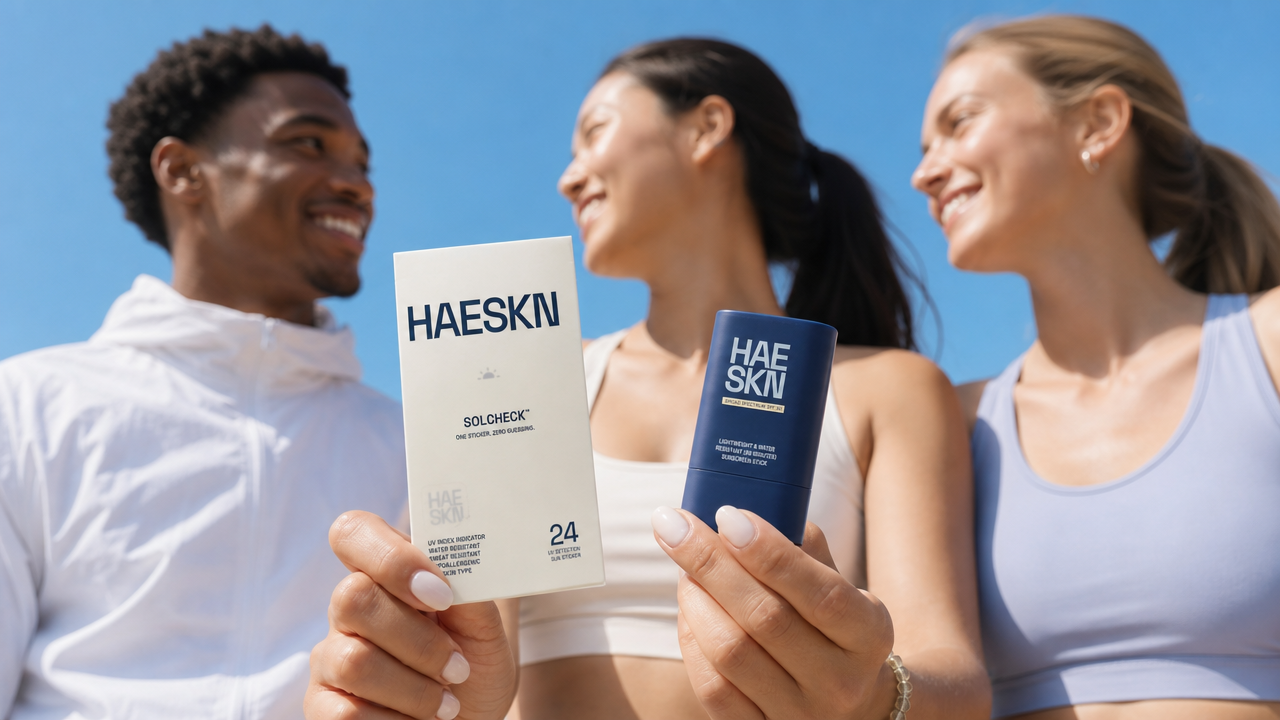
For runners who want a portable stick for face reapplication, the category includes options from brands like Shiseido, Blue Lizard, Supergoop, and HAESKN. The point is not that one stick solves every use case. The more useful takeaway is that a compact stick can work well as the reapplication tool in a two part system, while liquid sunscreen still handles broader pre run coverage more efficiently.
Common mistakes runners make with both formats
Applying only once for a two hour plus session
The longer the run, the weaker that strategy becomes.
Ignoring the highest exposure zones
Nose, cheekbones, ears, and neck often need the most attention.
Thinking eye sting is always an ingredient issue
Sometimes it is a format, application, or migration issue.
Assuming cloudy mornings mean no UV risk
The CDC notes that UV exposure still matters on cool or cloudy days. CDC
Choosing only by SPF number
Protection matters, but so do portability, texture, and reapplication behavior.
Recommended decision
If you want the clearest recommendation, use this.
- Pick liquid sunscreen as your main before the run layer.
- Pick a sunscreen stick if you want practical face reapplication during long runs.
- Pick both if your training regularly crosses two hours, starts early and ends in stronger sun, or makes messy reapplication unrealistic.
That answer may be less dramatic than calling one format the winner. It is more useful because it matches how runners actually train.
FAQ
Is sunscreen stick better than liquid sunscreen for running?
For complete pre run coverage, liquid sunscreen is usually better. For mid run face reapplication, a stick is often more practical because it is easier to carry and faster to use.
Do I need to reapply sunscreen during a long run?
If your run extends through prolonged sun exposure, yes. The AAD recommends reapplication every two hours during continued exposure. AAD
Which sunscreen format is less likely to run into my eyes?
There is no universal answer, but many runners find a stick easier to control around the orbital area because application is more targeted.
Can I use only a sunscreen stick for long runs?
Yes, especially if your focus is the face, ears, and neck. But for generous body coverage before the run, many runners will still prefer liquid sunscreen.
What is the best sunscreen strategy for a two hour plus run?
For many runners, the best setup is liquid sunscreen before the run and a stick carried for reapplication on the face and other high exposure areas.
How this article was prepared
Author note: This article was prepared by the HAESKN editorial team. HAESKN was co-founded by Sherril HwangBo, former design director at LVMH and Ralph Lauren, and Eugene Kim, former packaging design lead at Estée Lauder's Clinique. The founders are active athletes, and this article cites public guidance from organizations such as the American Academy of Dermatology, the FDA, the CDC, the EPA, and the Skin Cancer Foundation.
Frequently asked questions
What is the main takeaway from Sunscreen Stick vs Liquid for Long Runs?
Liquid SPF runs into eyes; sticks don't. Why runners switch to stick formats for halfs, marathons, and ultras — application speed, mess factor, and sweat hold.
Who should read Sunscreen Stick vs Liquid for Long Runs?
This article is written for HAESKN readers who want practical, source-backed guidance before making a decision or changing their routine.
When was Sunscreen Stick vs Liquid for Long Runs last updated?
Sunscreen Stick vs Liquid for Long Runs was last updated on 2026-07-29.