Chemical vs Mineral SPF for Sports: Which Wins?
Mineral wins on ingredients; chemical wins on sweat-hold and clear finish. The practical trade-off for runners, padel players, and outdoor athletes.
Contents
- The Safety Question Athletes Actually Ask
- How Each Type Works (And Why It Matters for Safety)
- Mineral Sunscreens: Physical UV Blockers
- Chemical Sunscreens: UV Absorbers
- What the FDA Actually Found (2019 Study)
- Safety Concerns by Category
- Skin Sensitivity and Allergic Reactions
- Eye Sting During Sweat
- Coral Reef and Environmental Impact
- Hormone Disruption (Endocrine Concerns)
- Performance Under Athletic Conditions
- Water and Sweat Resistance
- White Cast and Application
- Reapplication Speed
- Which Is Safer for You?
- What Dermatologists Actually Recommend
- Real world Recommendations by Sport
- Running (Long Distance, Trail, Road)
- Cycling
- Padel, Tennis, Pickleball
- Beach Volleyball, Ocean Swimming
- The Bottom Line
- FAQ
Chemical vs Mineral Sunscreen for Outdoor Sports: Which Is Safer?
The Safety Question Athletes Actually Ask
If you've stood in the sunscreen aisle trying to decide between chemical and mineral formulas, you've probably seen the labels. "Reef safe." "Non toxic." "Dermatologist recommended." But when you're training outdoors for hours at a time, the real question isn't what sounds safer. It's what the data actually says.
Here's what research shows. Both chemical and mineral sunscreens are safe for outdoor athletes when used as directed. The difference isn't toxicity. It's how they work on your skin, how they perform under sweat, and which risks matter most for your sport.
This guide breaks down the safety profile of each type, what dermatologists actually worry about, and how to choose based on your training conditions, not marketing claims.
How Each Type Works (And Why It Matters for Safety)
Mineral Sunscreens: Physical UV Blockers
Mineral sunscreens use zinc oxide and titanium dioxide. These minerals sit on top of your skin and physically deflect UV radiation, like tiny mirrors.
Active ingredients:
- Zinc oxide (typically 10-25%)
- Titanium dioxide (typically 2-10%)
How they protect: UV photons hit the mineral particles and scatter away from your skin. Protection starts immediately upon application.
Safety profile: These minerals are inert. They don't absorb into your bloodstream. The FDA classifies both as "Generally Recognized As Safe and Effective" (GRASE).
According to Dr. Adeline Kikam, a board certified dermatologist and founder of Brown Skin Derm, "Mineral sunscreens are the gold standard for sensitive skin and for patients who want zero systemic absorption. The particles stay on the skin surface and don't penetrate."
Chemical Sunscreens: UV Absorbers
Chemical sunscreens use organic (carbon based) compounds that absorb UV radiation and convert it to heat, which then dissipates from your skin.
Common active ingredients:
- Avobenzone (UVA protection)
- Octinoxate (UVB protection)
- Octisalate (UVB stabilizer)
- Octocrylene (UVB + stabilizes avobenzone)
How they protect: UV photons are absorbed by the chemical filter molecules, converted to heat energy, and released. This process happens continuously while you're in the sun.
Safety profile: Chemical filters are absorbed into the outer layers of skin to work effectively. A 2019 FDA study found that some chemical filters enter the bloodstream at levels above the FDA's threshold for waiving additional safety testing.
But here's what that actually means. Detection in blood doesn't equal harm. Dr. Henry Lim, former president of the American Academy of Dermatology, states: "The benefits of sunscreen in preventing skin cancer far outweigh any theoretical risk from absorption. We have decades of real world use data showing these ingredients are safe."
What the FDA Actually Found (2019 Study)
In 2019, the FDA published a study in JAMA that tested four chemical sunscreen ingredients. Researchers applied sunscreen to 75% of participants' bodies four times daily for four days (mimicking beach vacation use) and measured blood levels.
Results:
- Avobenzone: 4.0 ng/mL (day 1) → 7.1 ng/mL (day 4)
- Oxybenzone: 209.6 ng/mL (day 1) → 258.1 ng/mL (day 4)
- Octocrylene: 2.9 ng/mL (day 1) → 7.8 ng/mL (day 4)
- Ecamsule: 1.5 ng/mL (day 1) → 2.5 ng/mL (day 4)
The FDA's threshold is 0.5 ng/mL. All four exceeded it.
What this means: The FDA isn't saying these ingredients are unsafe. They're saying more data is needed to establish long term safety at these absorption levels. The agency still recommends sunscreen use because UV damage (skin cancer, premature aging) is a known, proven harm. Chemical filter absorption is a theoretical, unproven risk.
For athletes: If you're applying sunscreen daily for years, this is worth knowing. If you prefer zero systemic absorption, mineral is the clear choice.
Safety Concerns by Category
Skin Sensitivity and Allergic Reactions
Chemical filters: Higher risk of contact dermatitis and allergic reactions. Oxybenzone and avobenzone are common culprits.
A 2020 study in Contact Dermatitis found that chemical sunscreens cause allergic reactions in 1-3% of users, compared to <1% for mineral formulas.
Mineral filters: Lower allergy risk, but not zero. Titanium dioxide in nano particle form can irritate sensitive skin in some users.
Athlete impact: If you have eczema, rosacea, or sensitive skin, dermatologists typically recommend mineral. Chemical formulas mixed with sweat can sting eyes during runs or padel matches.
Eye Sting During Sweat
This is the #1 complaint from runners and outdoor athletes.
Chemical sunscreens: When you sweat, chemical filters can migrate into your eyes. Avobenzone is especially irritating. If you've ever had burning eyes mid run, this is why.
Mineral sunscreens: Zinc and titanium don't dissolve in sweat. They stay put. Eye sting is rare unless you physically rub your face.
Real world evidence: Mineral sunscreens generally perform better for eye sting resistance during high sweat activities. Top options for athletes include: Blue Lizard Sport, Thinkbaby, and EltaMD UV Sport (which uses a zinc + chemical hybrid).
Coral Reef and Environmental Impact
In 2021, Hawaii banned sunscreens containing oxybenzone and octinoxate due to coral bleaching concerns. Lab studies show these chemicals can disrupt coral reproduction and accelerate bleaching at concentrations as low as 62 parts per trillion.
Chemical sunscreens: Oxybenzone and octinoxate are confirmed coral toxins. Other chemical filters (avobenzone, octocrylene) have less data but are under investigation.
Mineral sunscreens: Zinc oxide and titanium dioxide are considered reef safe in non nano formulations. Nano particles (smaller than 100 nanometers) may harm marine life, but evidence is mixed.
For athletes training near coasts: If you swim in the ocean after applying sunscreen, mineral formulas (non nano zinc oxide) are the safer environmental choice.
Hormone Disruption (Endocrine Concerns)
Oxybenzone has been flagged as a potential endocrine disruptor. Studies in rats showed altered hormone levels at high doses. Human data is limited.
The European Commission's Scientific Committee on Consumer Safety reviewed oxybenzone in 2021 and concluded: "Safe for use in cosmetics at concentrations up to 6%." But some researchers argue that cumulative, daily exposure over years hasn't been adequately studied.
Chemical sunscreens: Oxybenzone is the main concern. Avobenzone and octinoxate have weaker evidence of hormone effects.
Mineral sunscreens: No endocrine disruption concerns. Zinc oxide and titanium dioxide are biologically inert.
For daily users: If you apply sunscreen 300+ days per year for decades, this is a valid consideration. Mineral eliminates the question entirely.
Performance Under Athletic Conditions
Safety isn't just about ingredients. It's also about whether the sunscreen actually works when you're sweating for hours.
Water and Sweat Resistance
Chemical sunscreens: Generally more water resistant. They bond with the outer skin layer (stratum corneum) and are harder to wash off. Many chemical formulas meet the FDA's 80 minute water resistance standard.
Mineral sunscreens: Sit on the surface, so they're more easily removed by toweling or rubbing. Traditional mineral formulas often max out at 40 minutes water resistance.
Exception: Hybrid formulas (zinc oxide + chemical filters) offer the best of both. EltaMD UV Sport and Blue Lizard Active use this approach and achieve 80 minute ratings.
White Cast and Application
Chemical sunscreens: Go on clear. No white residue on any skin tone. This makes reapplication easier during training.
Mineral sunscreens: Zinc oxide and titanium dioxide are white pigments. Traditional formulas leave a visible white cast, especially on medium to dark skin tones.
Modern solutions: "Tinted" mineral sunscreens (like Colorescience's tinted Sunforgettable line or EltaMD UV Elements) use iron oxides to match skin tones. "Sheer" zinc formulas use smaller (but not nano) particles to reduce whiteness.
For athletes of color: White cast isn't just cosmetic. If reapplication leaves you looking chalky, you'll skip it. Chemical or tinted mineral formulas solve this.
Reapplication Speed
Chemical sunscreens: Thin, easy to spread. Reapplication during a padel changeover or cycling rest stop takes seconds.
Mineral sunscreens: Thicker, require more rubbing. Stick formats make this faster, but traditional mineral lotions are slower to apply.
Which Is Safer for You?
There's no universal answer. Safety depends on your priorities.
Choose mineral if:
- You want zero systemic absorption
- You have sensitive skin, eczema, or rosacea
- You experience eye sting with chemical formulas
- You train near coral reefs or care about marine impact
- You're pregnant or prefer maximum caution with endocrine concerns
- You're applying sunscreen to children
Choose chemical if:
- You need maximum water resistance (80+ minutes)
- You have medium to dark skin and want no white cast
- You prioritize fast, easy reapplication during training
- You trust FDA approval and decades of use data
- You don't have sensitive skin or eye sting issues
Choose hybrid if:
- You want the best of both (zinc oxide + chemical filters)
- You need 80 minute water resistance with less eye sting
- You're okay with a formula that's partially absorbed
What Dermatologists Actually Recommend
Dr. Joshua Zeichner, Director of Cosmetic and Clinical Research in Dermatology at Mount Sinai Hospital, summarizes it this way: "For most people, the best sunscreen is the one you'll actually use. If you prefer mineral because it makes you feel safer, use mineral. If you prefer chemical because it's more cosmetically elegant and you'll reapply more often, use chemical. The worst choice is avoiding sunscreen because you're worried about theoretical risks."
The American Academy of Dermatology's position is clear: Both types are safe and effective. UV damage from skipping sunscreen is a proven, major health risk. Concerns about chemical absorption are theoretical and unproven.
For athletes training outdoors daily, consistency matters more than formula type. Pick the one that fits your skin, your sport, and your reapplication routine. Then use it every time.
Real world Recommendations by Sport
Running (Long Distance, Trail, Road)
Best choice: Chemical or hybrid.
Why: You need sweat resistance and fast reapplication. Eye sting is a concern, so avoid oxybenzone heavy formulas. Look for avobenzone + octocrylene blends or zinc + chemical hybrids like EltaMD UV Sport.
Top picks (tested for athletic use):
- EltaMD UV Sport (hybrid) ($32 per EltaMD)
- Neutrogena Ultra Sheer Dry Touch SPF 55 (chemical) (~$12)
- Blue Lizard Active SPF 50+ (hybrid) (~$18)
Cycling
Best choice: Stick format (mineral or chemical).
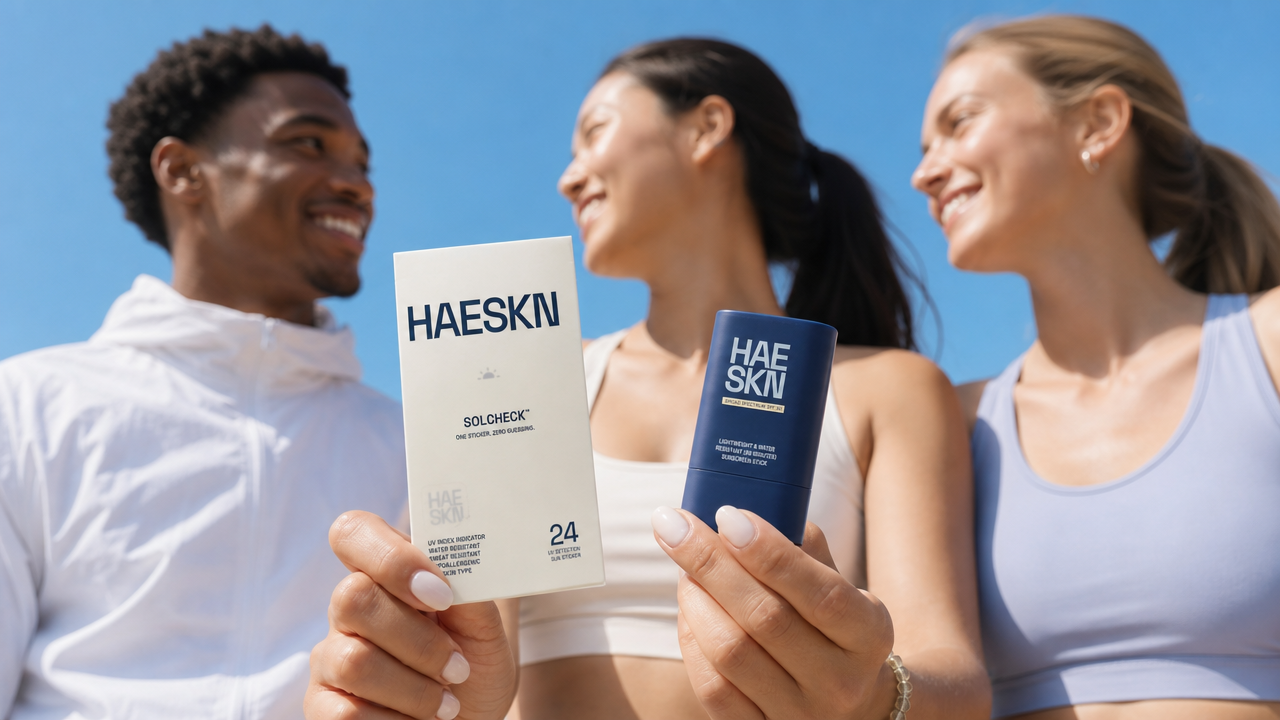
Why: Jersey pocket portability and one handed reapplication. Chemical sticks (like HAESKN or Sun Bum) are faster to apply. Mineral sticks work if you don't mind a slight white cast under your helmet. (~$24 or ~$15)
Padel, Tennis, Pickleball
Best choice: Mineral or hybrid.
Why: Court sessions are shorter (60-90 minutes), so 40-minute water resistance is often enough. Mineral avoids eye sting during overheads and volleys. Reapply between sets.
Top picks:
- Thinkbaby SPF 50+ (mineral) (~$15)
- Supergoop Play SPF 50 (chemical, but low eye sting reports) (~$36)
- Blue Lizard Active (hybrid)
Beach Volleyball, Ocean Swimming
Best choice: Mineral (non nano zinc oxide).
Why: Reef safe matters if you're in the water. Reapplication after every swim is mandatory regardless of formula type.
Top picks:
- Stream2Sea Sport SPF 30 (reef safe mineral) (~$16)
- Badger Sport SPF 35 (non nano zinc) (~$14)
- Raw Love SPF 35 (reef safe, biodegradable) (~$18)
The Bottom Line
Chemical and mineral sunscreens are both safe for outdoor athletes. The FDA, AAD, and dermatologists worldwide agree on this.
The real differences:
- Absorption: Mineral stays on the surface. Chemical enters bloodstream at detectable (but not proven harmful) levels.
- Eye sting: Mineral wins for sweat heavy sports.
- Water resistance: Chemical wins for long, intense sessions.
- White cast: Chemical wins for medium to dark skin tones.
- Environmental impact: Mineral (non nano zinc) wins for ocean athletes.
Your safest choice isn't about the label. It's about picking the formula you'll actually use, reapply correctly, and stick with for years. UV damage is a certainty. Sunscreen absorption is a theoretical concern with decades of safe use data.
Protect your skin. Pick the one that works for your sport. Use it every time.
FAQ
Is oxybenzone really dangerous?
No evidence of harm in humans at cosmetic use levels. The FDA and European regulators consider it safe up to 6% concentration. Some people avoid it out of caution due to endocrine studies in rats. If you're concerned, choose mineral or oxybenzone free chemical formulas.
Can I use mineral sunscreen if I have dark skin?
Yes. Look for tinted mineral formulas (like Colorescience's tinted Sunforgettable line or EltaMD UV Elements) or "sheer zinc" products. Avoid traditional white zinc oxide creams.
Do I need to worry about nanoparticles in mineral sunscreen?
The FDA and dermatology consensus is that nanoparticles in sunscreen don't penetrate healthy skin. For marine safety, choose "non nano" formulas if you swim in the ocean.
Which type is better for kids?
Pediatricians and dermatologists typically recommend mineral for children under 6 months (chemical filters aren't tested in infants). For older kids, both are safe, but mineral avoids any absorption concerns.
How often should I reapply during a 4-hour training session?
Every 80 minutes minimum, or immediately after heavy sweating, toweling, or water exposure. For outdoor sports, set a timer. Most athletes under reapply by 50% or more.
Sources: FDA JAMA Study (2019), American Academy of Dermatology, European Commission SCCS Review (2021), Contact Dermatitis Journal (2020), Dr. Adeline Kikam (Brown Skin Derm), Dr. Henry Lim (AAD), Dr. Joshua Zeichner (Mount Sinai), athlete reported experiences.
Frequently asked questions
What is the main takeaway from Chemical vs Mineral SPF for Sports: Which Wins??
Mineral wins on ingredients; chemical wins on sweat-hold and clear finish. The practical trade-off for runners, padel players, and outdoor athletes.
Who should read Chemical vs Mineral SPF for Sports: Which Wins??
This article is written for HAESKN readers who want practical, source-backed guidance before making a decision or changing their routine.
When was Chemical vs Mineral SPF for Sports: Which Wins? last updated?
Chemical vs Mineral SPF for Sports: Which Wins? was last updated on 2026-07-29.