Best Sunscreen by Skin Type in 2026: Mineral or Chemical?
A practical daily-use guide to choosing mineral or chemical sunscreen for sensitive, oily, combination, and acne-prone skin.
Contents
- Daily sunscreen has a different job than sport sunscreen
- Sensitive skin: start by defining what “sensitive” means for you
- If your skin is reactive, healing, or sting-prone
- If your skin is only mildly sensitive
- Oily and combination skin: texture usually decides the winner
- Acne-prone skin: the formula matters more than the filter label
- When mineral is still the better choice
- Where K-beauty fits into the daily-use conversation
- A quick skin-type decision guide
- Choose mineral first if:
- Choose chemical first if:
- If you are still not sure
- If you want a daily SPF that is easy to keep using
- FAQ
- Is chemical sunscreen okay to use every day?
- Is mineral sunscreen always better for sensitive skin?
- Which sunscreen is better for acne-prone skin?
- Do I need sunscreen even if I mostly work indoors?
- Can daily sunscreen help prevent wrinkles?
If you want one short answer, it is this: many adults find chemical sunscreen easier to wear every day, especially if they have oily, combination, acne-prone, or deeper skin tones. Mineral sunscreen still makes more sense for some people with very reactive skin, post-procedure skin, or a history of stinging with chemical formulas. FDA Harvard Health
This piece picks up where our earlier guide on mineral vs chemical sunscreen left off. That article explained the filter debate. This one answers the more practical question: what should you actually use on a normal workday if your skin is sensitive, shiny by noon, or quick to break out?
This article is written by HAESKN. It is not an independent ranking. We are using FDA guidance, dermatologist advice, and common daily-wear questions from customers to explain where each sunscreen type tends to fit best.
Daily sunscreen has a different job than sport sunscreen
Race-day sunscreen needs to survive heavy sweat and long exposure. Daily sunscreen has a different assignment. It has to feel comfortable at 8 a.m., sit well over skincare, work under makeup if needed, and still be something you are willing to reapply before a walk, commute, or lunch outside.
That is why daily sunscreen decisions are usually less about ideology and more about wearability. The American Academy of Dermatology recommends broad-spectrum sunscreen with SPF 30 or higher as part of everyday sun protection. AAD Cleveland Clinic dermatologist Melissa Piliang, MD, makes the same practical point: people often get more sun than they realize through errands, commuting, and ordinary time outdoors. Cleveland Clinic
For daily use, four things usually matter most:
- texture that feels comfortable for hours
- a finish that does not leave an obvious cast
- a formula that layers well with the rest of your routine
- a format you will realistically keep using
Sensitive skin: start by defining what “sensitive” means for you
Sensitive skin is where mineral sunscreen usually gets its strongest argument. Zinc oxide and titanium dioxide are the only two sunscreen actives currently classified by the FDA as GRASE, and mineral formulas are often preferred when skin is irritated or healing. FDA
But “sensitive” covers a lot of different situations. The better question is what your skin actually does.
If your skin is reactive, healing, or sting-prone
Mineral sunscreen is often the better-tolerated first option if:
- your barrier is compromised
- you are recovering from a peel, laser, or irritation cycle
- fragrance tends to trigger redness
- sunscreen often stings around your eyes
In those cases, a simpler mineral formula may reduce the number of things your skin has to deal with at once.
If your skin is only mildly sensitive
A well-formulated chemical sunscreen can still work very well, especially if it is fragrance-free and comfortable enough for consistent use. That point matters because FDA absorption findings do not mean chemical sunscreens are proven unsafe, and Harvard Health noted that the FDA did not tell consumers to stop using them while asking for more safety data. Harvard Health
Oily and combination skin: texture usually decides the winner
If your face gets shiny quickly, feels congested under rich products, or slips under makeup, chemical sunscreen often works better for daily wear. The main reason is not that chemical filters are inherently better for oily skin. It is that many chemical formulas feel lighter, spread more easily, and disappear faster.
That matters even more for combination skin. If your T-zone gets oily but the rest of your face feels normal or a little dry, a lighter daily formula often balances better than a thicker mineral one.
For oily or combination skin, look for sunscreen that is:
- lightweight
- non-greasy
- non-comedogenic
- easy to layer with moisturizer or makeup
This is also where K-beauty-style daily formulas tend to stand out. The advantage is not hype. It is finish. Clear application, lighter texture, and easier reapplication are often what make a sunscreen realistic for everyday wear.
Acne-prone skin: the formula matters more than the filter label
Chemical sunscreen can break some people out. Mineral sunscreen can too. For acne-prone skin, breakouts are usually more about the full formula, finish, and how the product behaves on your face through the day than about the mineral-versus-chemical label alone.
If you break out easily, ask these questions first:
- is it non-comedogenic?
- does it layer cleanly with my moisturizer and makeup?
- does it feel heavy enough that I will want to wash my face twice by noon?
- does it leave residue that makes me touch my skin all day?
This is another reason daily-wear texture matters so much. Some people with acne-prone skin prefer mineral because it feels simpler. Others do better with a lighter chemical sunscreen that does not sit thickly on the skin. In practice, both can work. The better choice is the one your skin tolerates and your routine can support.
When mineral is still the better choice
Even if chemical sunscreen is often easier for everyday wear, mineral still makes more sense in a few common situations.
| Situation | Better first option | Why |
|---|---|---|
| Post-procedure skin | Mineral | Fewer irritation variables on a disrupted barrier |
| Rosacea flare or active irritation | Mineral | Often easier to tolerate when skin is already reactive |
| Very sting-prone eye area | Mineral | Less likely to feel irritating if the formula migrates |
| Pregnancy preference | Mineral | Many people prefer it as a precautionary option |
| Deep skin tone concerned about cast | Often chemical | Clear finish can be easier to wear consistently |
| Oily or combination skin | Often chemical | Lighter wear may sit better through the day |
| Acne-prone skin | Depends on formula | Finish and comedogenicity matter more than category alone |
The most useful takeaway is simple: daily sunscreen is a fit decision, not a purity test.
Where K-beauty fits into the daily-use conversation
K-beauty is most useful in this conversation when it improves daily wear, not when it is treated like a trend label. For many shoppers, the appeal is practical: less drag during application, a clearer finish on skin, better wear under makeup, and easier touch-ups later in the day.
For daily wear, the most helpful K-beauty-inspired traits are:
- clear finish on more skin tones
- lighter texture
- easy wear under or over makeup
- simple reapplication without restarting your whole routine
If you want more context on why Korean-style formulas and U.S. formulas often feel different, our separate guide on Korean sunscreen filters and FDA approval explains the regulatory and formulation gap in more detail.
A quick skin-type decision guide
If you just want the short version, start here.
Choose mineral first if:
- your skin is actively irritated
- you recently had a procedure
- your eye area stings easily
- you know you react badly to several chemical formulas
Choose chemical first if:
- your skin is oily or combination
- you wear makeup most days
- you want a finish with no white cast
- you are acne-prone but prefer lighter textures
- you need something that is easy to reapply
If you are still not sure
Try one formula from each side for a week at a time and track three things:
- how your skin feels after application
- how it looks by midday
- whether you actually want to use it again tomorrow
That last question is usually the one that decides your real daily sunscreen.
If you want a daily SPF that is easy to keep using
A lot of people do not skip sunscreen because they disagree with it. They skip it because the formula feels thick, pills under makeup, leaves a cast, or makes reapplication annoying.
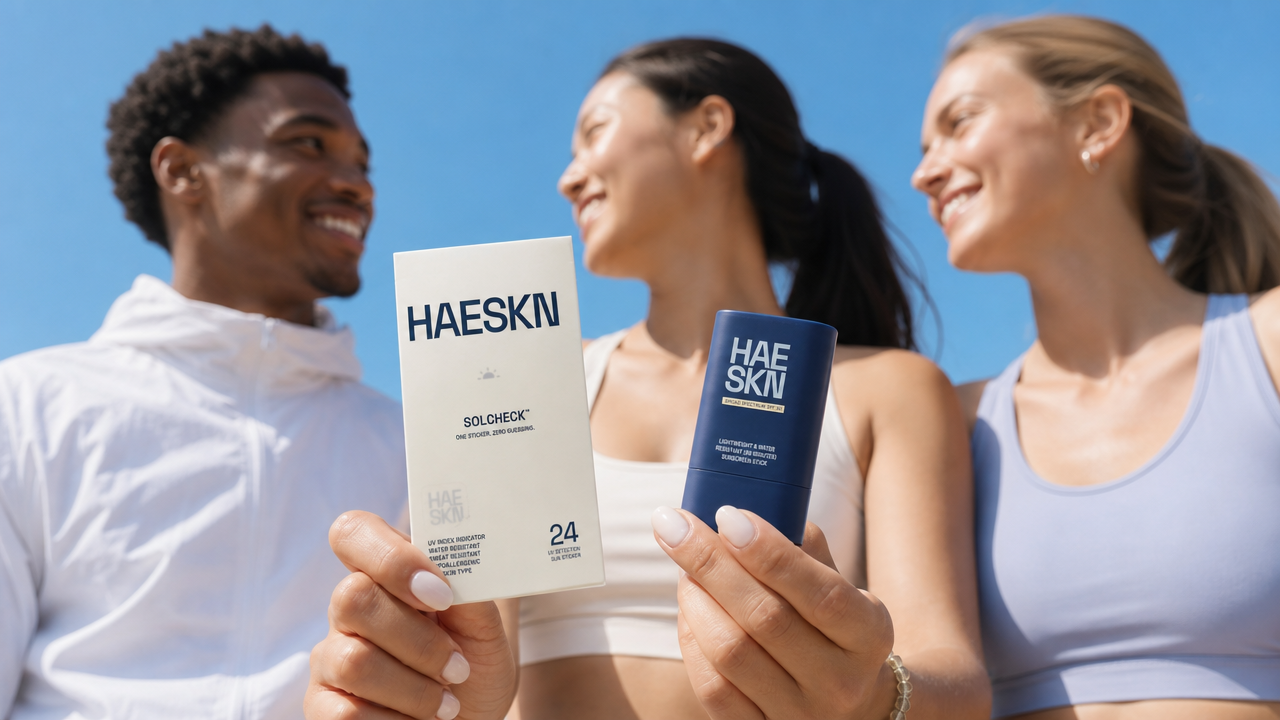
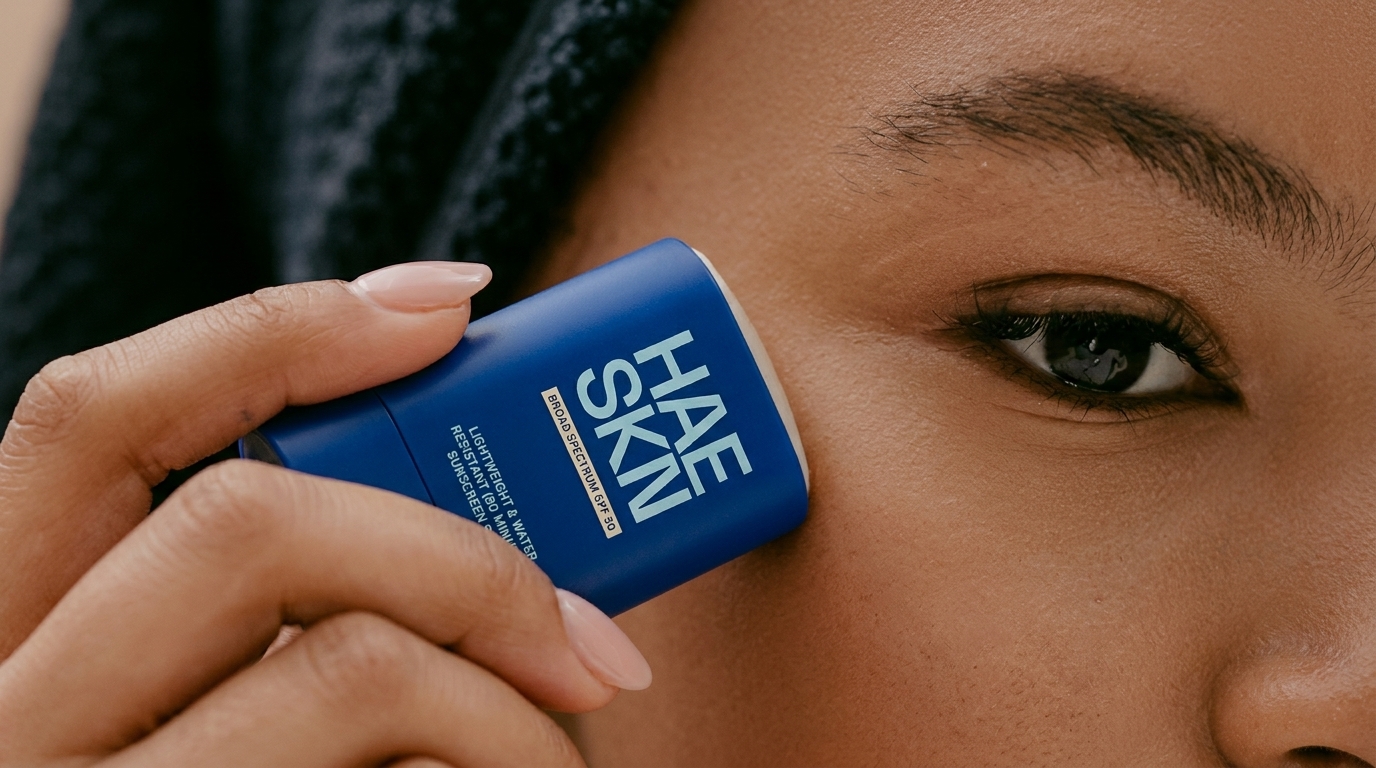
If your goal is daily consistency, a stick format can solve part of that problem. The HAESKN Sunscreen Stick SPF 50 is built around broad-spectrum SPF 50 protection, a clear finish, and easy one-hand reapplication. That makes it a practical fit for people who want something they can use before work, carry in a bag, and swipe on again without turning sunscreen into a whole second routine.
FAQ
Is chemical sunscreen okay to use every day?
Yes. FDA-approved chemical sunscreens remain legal and widely used for daily sun protection. The practical goal is finding one your skin tolerates and that you will use consistently. FDA
Is mineral sunscreen always better for sensitive skin?
Not always, but it is often the best first option for highly reactive or post-procedure skin. If your skin is only mildly sensitive, a fragrance-free chemical formula may still fit daily life better.
Which sunscreen is better for acne-prone skin?
Neither type wins by default. Non-comedogenic formulation, finish, and overall wearability matter more than the label alone.
Do I need sunscreen even if I mostly work indoors?
Usually yes. Incidental exposure from windows, commuting, errands, and short periods outside still adds up over time. Cleveland Clinic
Can daily sunscreen help prevent wrinkles?
Yes. Regular sunscreen use helps reduce cumulative UV damage, which is one of the main drivers of premature skin aging. AAD
Frequently asked questions
What is the main takeaway from Best Sunscreen by Skin Type in 2026: Mineral or Chemical??
A practical daily-use guide to choosing mineral or chemical sunscreen for sensitive, oily, combination, and acne-prone skin.
Who should read Best Sunscreen by Skin Type in 2026: Mineral or Chemical??
This article is written for HAESKN readers who want practical, source-backed guidance before making a decision or changing their routine.
When was Best Sunscreen by Skin Type in 2026: Mineral or Chemical? last updated?
Best Sunscreen by Skin Type in 2026: Mineral or Chemical? was last updated on 2026-05-17.